
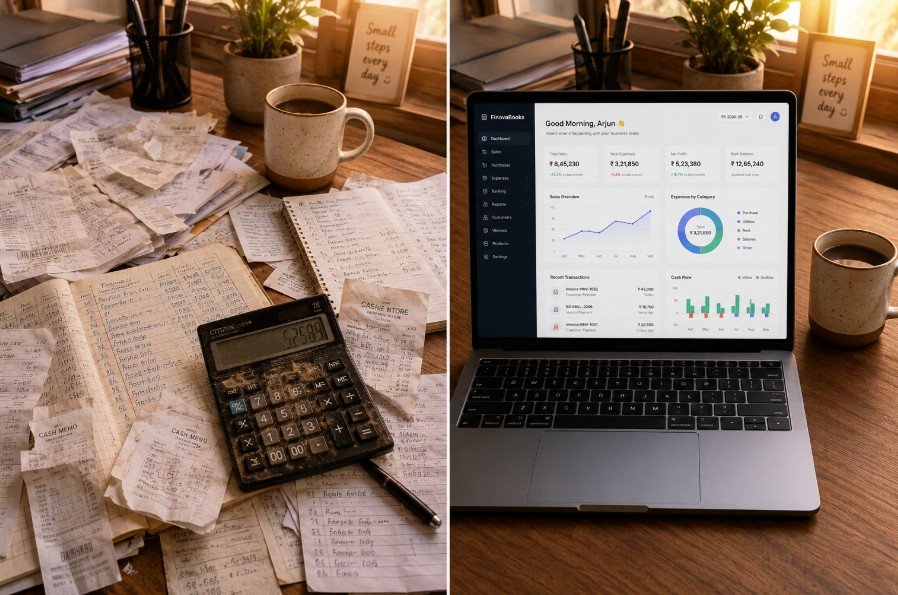
Making Tax Digital: A Simple Preparation Checklist for Sole Traders
For many sole traders, bookkeeping is one of those business tasks that is easy to postpone. Client work, deliveries, appointments, and everyday admin often take priority, which can leave receipts, invoices, and expenses to be dealt with later.
Making Tax Digital for Income Tax makes regular record-keeping more important for eligible businesses. Preparing early can help you establish better habits, reduce year-end stress, and gain a clearer picture of how your business is performing.
Understand Whether Making Tax Digital Applies to You
Making Tax Digital for Income Tax requires eligible sole traders and landlords to keep digital records and submit information to HMRC through compatible software.
From 6 April 2026, it applies to people registered for Self Assessment whose qualifying income from self-employment, property, or both is above £50,000. Qualifying income is usually based on gross income before expenses, not the profit you make after costs.
Even if you are currently below the threshold, it is worth becoming familiar with digital records. Your turnover may grow in the future, and having an organised system already in place can make any change easier to manage.
Get Your Business Records in Order
Before using accounting software, take time to organise the information you already have. This does not need to be complicated, but it should give you a clear starting point.
Gather recent invoices, bank statements, receipts, expense records, and details of any money owed to you. If you have paper records, sort them by month or category. If you already use a spreadsheet, check that it is up to date.
Key records may include:
- Sales invoices and payment details
- Business expense receipts
- Travel and mileage records where relevant
- Bank and card transactions
- Supplier bills
- Details of equipment or tools purchased for business use
- Previous Self Assessment information
Keeping this information together can make it easier to see what needs to be recorded digitally.
Separate Business and Personal Spending
One of the simplest ways to improve financial organisation is to keep business and personal transactions separate. Using a dedicated business bank account is not always a legal requirement for a sole trader, but it can make record-keeping much easier.
When business and personal spending are mixed together, it takes longer to identify which transactions relate to your work. This can also increase the risk of overlooking valid business expenses or recording personal purchases incorrectly.
If you cannot separate every transaction immediately, start by reviewing your bank activity regularly and clearly identifying business-related costs.
Build a Routine That You Can Maintain
The most effective bookkeeping routine is one that fits your schedule. Rather than setting aside several hours at the end of the month, aim for a short review once a week.
For example, you could choose one quiet time each Friday to:
- Check payments received from customers or clients.
- Upload receipts from business purchases.
- Record new expenses.
- Send any outstanding invoices.
- Review transactions that need categorising.
- Check whether your income is close to the Making Tax Digital threshold.
A regular routine keeps the workload small and helps you spot problems sooner. You may notice an unpaid invoice, a duplicate expense, or a missing receipt while the details are still easy to find.
Choose Tools That Support Your Workflow
Digital tools should make your records easier to manage, not create more work. Look for software that is straightforward to use and supports the tasks you perform most often.
Many sole traders benefit from features such as receipt capture, invoicing, bank transaction imports, expense tracking, and clear financial summaries. Mobile access can also be useful when you work away from a desk or need to record an expense on the same day.
When comparing options MTD Software for Sole Traders can be a helpful starting point for understanding the types of tools that support digital records and tax reporting.
It is also sensible to speak with your accountant or bookkeeper before choosing a platform. They may be able to advise on a system that suits both your business and their way of working.
Use Your Records to Understand Your Business
Digital records are not only useful for tax reporting. They can help you make better decisions throughout the year.
When your income and expenses are recorded regularly, you can see which services are most profitable, identify busy and quiet periods, and estimate how much money may be needed for upcoming costs. You may also find it easier to plan for tax payments rather than facing an unexpected bill later.
This level of visibility can help sole traders feel more confident about cash flow and business planning.
FAQ
Do all sole traders need to follow Making Tax Digital?
No. From 6 April 2026, Making Tax Digital for Income Tax applies to eligible individuals with qualifying income above £50,000 from self-employment, property income, or both. Always check the latest HMRC guidance for your circumstances.
What does qualifying income mean?
Qualifying income is generally the total income from self-employment and property before expenses are deducted. It is not the same as your business profit.
Do I need to keep paper receipts as well as digital records?
Digital copies of receipts can be useful for record-keeping. Make sure your records are clear, complete, and stored safely. If you are uncertain about what to retain, ask an accountant or tax adviser.
Can I prepare for Making Tax Digital before I am required to join?
Yes. Starting early can help you develop good bookkeeping habits and become comfortable with digital record-keeping before it becomes a requirement.
Conclusion
Preparing for Making Tax Digital does not have to be difficult. By organising existing paperwork, separating business spending, reviewing records regularly, and using suitable tools, sole traders can create a more manageable approach to finances. These habits can make tax reporting easier while giving you a better understanding of your business throughout the year.